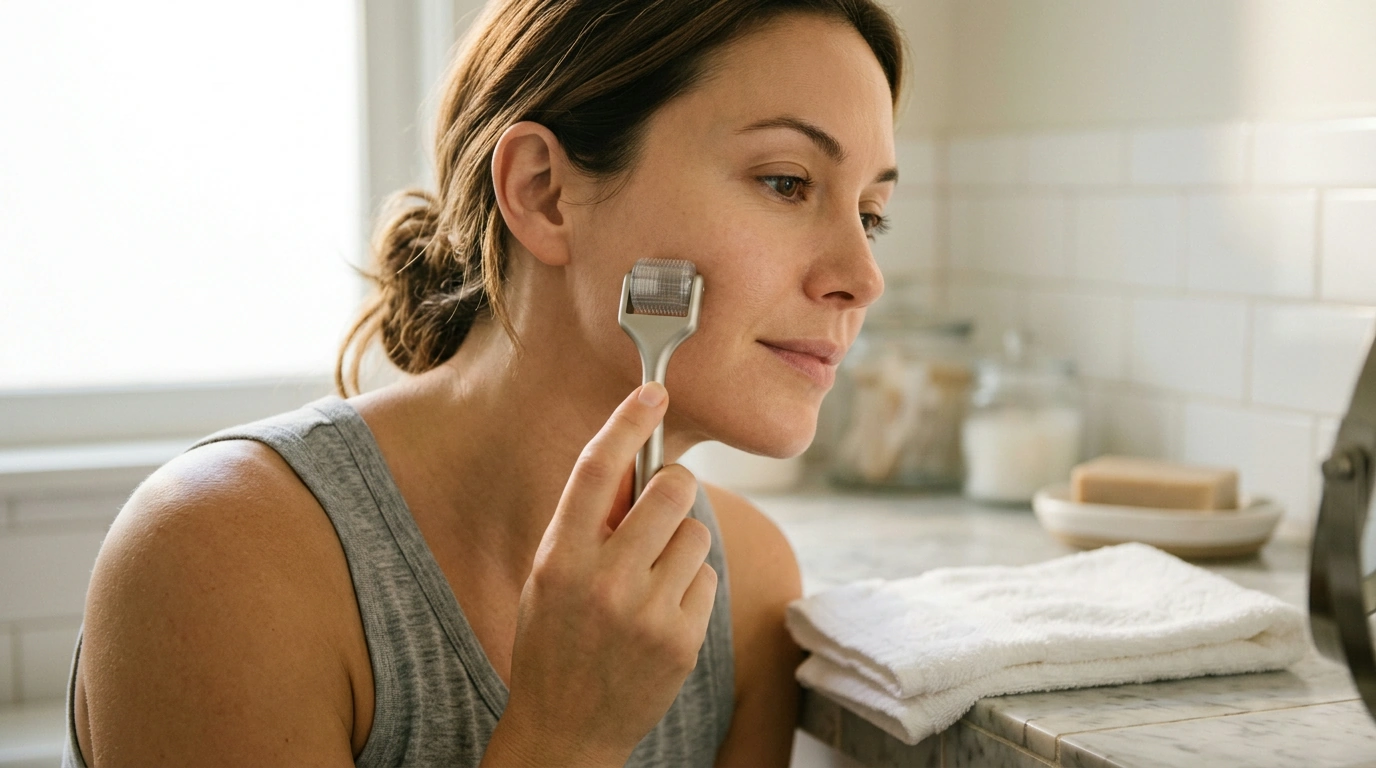
A zinc alloy derma roller face massager can support a smoother-looking complexion by pairing gentle rolling with a consistent skincare routine. The key is choosing the right needle length for at-home use, following careful hygiene, and using it on a schedule that respects skin recovery time. Because microneedling creates tiny, controlled openings on the skin’s surface, technique and aftercare matter as much as the tool itself. For more guidance, see Section C: Korea – Honduras Tariff Schedule of Korea.
A derma roller uses a small cylinder covered with tiny needles to create controlled micro-channels on the skin surface. Many people use this technique to help skincare products spread more evenly and to support the look of firmer, smoother skin over time. Common goals include improving the appearance of texture, the look of enlarged pores, and uneven tone. For further reading, see BIS Standards for Medical Devices.
Results depend heavily on needle length, pressure, frequency, and aftercare—more is not better. Pressing harder or rolling too often can increase irritation and prolong redness, which can set back comfort and consistency.
For a medical perspective on benefits, risks, and appropriate expectations, see the Cleveland Clinic’s microneedling overview.
Zinc alloy is commonly used for durable, weighty handles that feel stable in the hand, which can help maintain consistent, light pressure. A solid metal handle can also be simpler to wipe down and keep clean compared with more porous materials (the needle head still requires proper disinfection).
Comfort and control reduce the chance of pressing too hard—one of the most common at-home rolling mistakes. A steady grip also makes it easier to lift the roller between passes instead of dragging it across the skin.
For at-home facial rolling, shorter needle lengths are generally considered safer than longer lengths used in clinical settings. Longer needles can raise the risk of irritation, prolonged redness, and infection when used without professional training.
If a listing offers multiple options, start with the smallest facial-appropriate size and increase only if skin tolerates it well over several weeks. When in doubt, choose conservative settings and prioritize barrier support and sunscreen.
| Needle length | Common use | At-home note |
|---|---|---|
| 0.25 mm | Product spread + light texture support | Often considered the most beginner-friendly; minimal downtime |
| 0.5 mm | Texture/appearance support | Use cautiously; more redness; allow longer recovery |
| 1.0 mm+ | Deeper concerns (often clinical) | Usually better handled by a licensed professional due to higher risk |
Wash hands and cleanse skin thoroughly, then pat completely dry. Rolling over makeup, sunscreen, or sweat increases contamination risk and can push debris into micro-channels.
Soak the roller head in 70% isopropyl alcohol for the recommended time (commonly 5–10 minutes). Remove and allow it to fully air dry on a clean surface.
Work in small areas (forehead, cheeks, chin). Avoid eyelids, lips, and the immediate under-eye region unless a device is specifically designed for that area.
Roll in one direction for about 6–8 passes, then lift the roller, change direction, and repeat (horizontal/vertical/diagonal). Do not drag back and forth without lifting; lifting helps reduce scratching and uneven pressure.
| Time | What to do | What to avoid |
|---|---|---|
| Before rolling | Cleanse + disinfect roller | Using on dirty skin or makeup |
| Immediately after | Gentle moisturizer; sun protection if daytime | Acids, retinoids, strong vitamin C, fragrance |
| Next 24–48 hours | Hydrate; monitor redness | Sauna, heavy sweating, exfoliation |
Pause use if there is persistent redness beyond 48 hours, swelling, increasing tenderness, flaking that worsens, or any signs of infection. Guidance from the American Academy of Dermatology Association highlights the importance of qualified use and careful aftercare—especially if you’re prone to sensitivity.
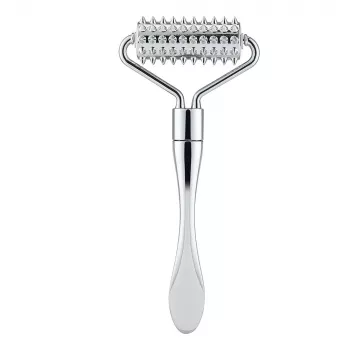
The Zinc Alloy Derma Roller Face Massager is a compact facial rolling tool built with a zinc alloy handle for steady handling. Used with light pressure, careful disinfection, and a recovery-friendly schedule, it can fit into a simple routine centered on cleansing, hydration, and daily sun protection.
| Item | Details |
|---|---|
| Product | Zinc Alloy Derma Roller Face Massager |
| Price | 3.51 USD |
| Availability | In stock |
| Product page | https://wellnessbeauty.store/zinc-alloy-derma-roller-face-massager/ |
It can. The micro-channels created by rolling may temporarily increase penetration, so it’s best to use gentle, non-irritating formulas and avoid strong actives immediately after a session.
Soak the roller head in 70% isopropyl alcohol for several minutes (often 5–10), then let it air dry on a clean surface. Repeat after use, store it in a clean dry case, and never share the device.
Start conservatively based on needle length and skin sensitivity, and space sessions far enough apart for full recovery. If redness or tenderness lasts beyond about 48 hours, pause use and reassess your routine.








Leave a comment