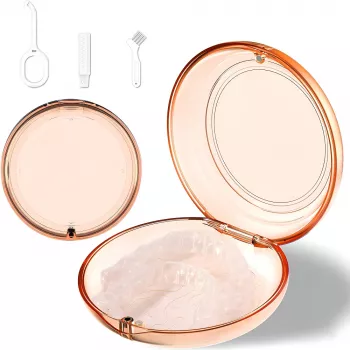
A retainer case should do two jobs well: protect dental appliances from damage and keep them hygienic when they’re not in use. A portable case with a magnetic closure is designed for quick one-hand access while helping prevent accidental opening in a bag or pocket. This guide covers practical benefits, everyday use scenarios, cleaning habits, and what to look for when choosing a case for retainers, aligners, mouthguards, or dentures.
Dental appliances spend hours outside your mouth—during meals, workouts, and travel. Leaving them on counters or wrapping them in tissue invites problems that are easy to avoid with a case.
For general care basics, resources from the American Association of Orthodontists (AAO) and the American Dental Association (ADA) can help reinforce good habits—especially when you’re balancing cleaning, storage, and wear schedules.
A magnetic closure is a small design upgrade that can make a case feel noticeably easier and more reliable throughout the day.
| Closure type | Everyday advantage | Potential drawback | Best for |
|---|---|---|---|
| Magnetic | Fast, secure feel; easy one-hand access | Can attract small metal debris if left open; keep clean | School, work, travel, gyms |
| Snap lid | Simple design; widely available | Can loosen over time; may pop open in a bag | Home storage, occasional carry |
| Hinged latch | Firm closure; structured | Bulkier; latch can break if forced | Heavier-duty carry needs |
| Zipper pouch | Lightweight; flexible | Less crush protection; can hold moisture | Short trips when used with care |
Not every case fits every lifestyle. A good portable option balances easy access with appliance protection and straightforward cleaning.
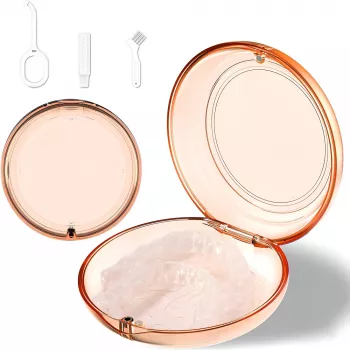
If you’re looking for an everyday carry option, the Portable Retainer Case with Magnetic Closure is a simple, budget-friendly choice designed for quick access and secure storage.
Consistency prevents most “retainer mishaps.” The goal is to keep your appliance clean, protected, and easy to find.
Hand hygiene matters too, since clean hands reduce what transfers to your appliance and case. The CDC’s handwashing guidance is a helpful refresher when you’re frequently removing and reinserting aligners throughout the day.
A case that looks fine can still hold residue and moisture. Regular cleaning helps reduce odor and buildup, and it keeps your appliance storage more hygienic.
For an easy add-on to a self-care routine at home (separate from oral appliances), the Long Handle Shower Back Brush can help with hard-to-reach cleansing—useful when you’re packing a travel kit that supports daily habits.
| Item | Price | Availability | Where to get it |
|---|---|---|---|
| Portable Retainer Case with Magnetic Closure | $4.97 | In stock | Product page |
A secure closure helps resist accidental opening during normal movement, especially when the case shifts in a pocket or bag. Make sure it’s fully closed, keep the closure area clean, and avoid placing heavy items on top that could crush the case.
Clean it every few days or at least weekly, and any time there’s a spill or visible residue. Use mild dish soap and warm water, rinse thoroughly, and let it dry completely to help prevent odors and buildup.
Storing an appliance wet can trap moisture and lead to odor or buildup over time. If you can’t dry it fully, shake off excess water, store it briefly, and plan to clean and dry the case more often.








Leave a comment